







Novo Nordisk CEO speaks about the GLP-1 pill at the JPMorgan conference

A version of this article first appeared in CNBC’s Healthy Returns newsletter, which brings the latest health news straight to your inbox. Subscribe here to receive future editions.
Good morning from San Francisco! It’s day three of the annual JPMorgan Healthcare Conference – the largest gathering of biotech and pharmaceutical executives, investors and analysts in the United States
The sun is shining this week and with it the optimism in the industry. Several drugmakers, investors and advisers are suggesting that 2026 is already shaping up to be a good year – or at least better – than the last, with major headwinds in drug prices and tariffs largely resolved, interest rates falling and, most importantly, encouraging science emerging from companies large and small.
Things have been relatively quiet on the dealmaking front this week. No major mergers have been announced, but that doesn’t mean they aren’t underway. In the meantime, companies are planning for the year ahead and unveiling important updates to their business and drug pipelines.
Here’s a summary of what I heard from my conversations with some big CEOs.
Novo Nordisk CEO Mike Doustdar told me in a Monday interview that the company’s brand new oral GLP-1 anti-obesity pill, the Wegovy pill, and its injectable counterpart under the same name will allow it to expand the incretin market in 2026.
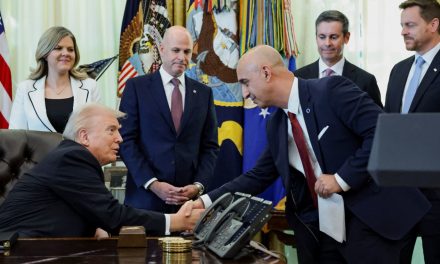
But he said this year will be “the year of pricing pressure” after Novo Nordisk reached a drug pricing agreement with President Donald Trump in November and cheaper generic versions of some of the company’s drugs were introduced in certain international markets.
“When the price goes down, you feel the impact immediately,” Doustdar said. However, he added that the company is targeting volume growth to offset these price cuts, which “won’t happen overnight.”
Doustdar added that in addition to advancing its own pipeline, Novo Nordisk will also be active in business development to “see if anyone else out there has something that can complement our own pipeline.” The comments come after Novo Nordisk lost a heated bidding war with Pfizer for obesity biotechnology company Metsera last year.
Bristol Myers Squibb CEO Chris Boerner told me in an interview on Tuesday that the company has the potential to deliver up to 10 new products by the end of the decade. The comments come as Bristol Myers Squibb prepares to recoup losses from an upcoming cycle of blockbuster drug exclusivity loss over the next few years that will allow generic rivals to enter the market.
“We have intentionally built this portfolio to be very diverse. While we know not everything will work, we are very happy with the substrate we have in late-stage development, and the mid-stage pipeline is also progressing well,” he said.
Boerner highlighted 11 late program evaluations in 2026 for six potential new products. These include the upcoming Alzheimer’s psychosis trials – called the Adept program – for Cobenfy, the company’s prescription drug approved in late 2024 to treat adults with schizophrenia.
When it comes to business development, Boerner said the company “casts a wide net.” He added that Bristol Myers Squibb hopes to build on the core therapeutic areas it knows well, look at different phases of development and focus on “the best and most innovative science we can find” to combat difficult-to-treat diseases.
Pfizer CEO Albert Bourla said the company is “fully committed to the fight against obesity” after acquiring obesity biotechnology company Metsera for about $10 billion last year. Speaking to a group of reporters on Monday, Bourla said the company plans to launch 10 different late-stage trials of Metsera’s obesity products by the end of the year, including a trial that began in November.
He also said that Pfizer didn’t take some things into account when negotiating the Metsera deal, including the large out-of-pocket market for obesity drugs, where patients are willing to pay for treatments with cash. Bourla compared the opportunity to Pfizer’s experience with Viagra, which the company launched in 1998.
“Both Lilly and Novo presented their sales and generated significant sales outside of the reimbursement system. Outside the U.S., we generally expected very limited sales,” Bourla said. “Now we’re seeing this work almost like Viagra, where people were willing to pay for it and buy it even though there was no refund at all.”
And here’s some of the other pharma news that emerged during the conference:
- Eli Lilly And Nvidia announced Monday that the two companies would jointly invest up to $1 billion over five years to establish a laboratory in San Francisco focused on using AI to accelerate drug discovery.
- AbbVie reached an agreement Monday with the Trump administration to cut some of its drug prices and invest $100 billion domestically over the next decade in return for relief from tariffs and “future price guidance.” The company is now among more than a dozen major drugmakers that have reached similar deals with Trump under his “most favored nation” policy.
- AbbVie The company also announced Monday that it had agreed to pay $650 million upfront to license an experimental cancer treatment from China’s RemeGen, which could ultimately be worth nearly $5.6 billion.
Feel free to send tips, suggestions, story ideas and data to Annika at a new email address: annika.constantino@versantmedia.com.