














How Industrial Insulation Reduces Energy Costs and Prevents Downtime in High-Temperature Facilities
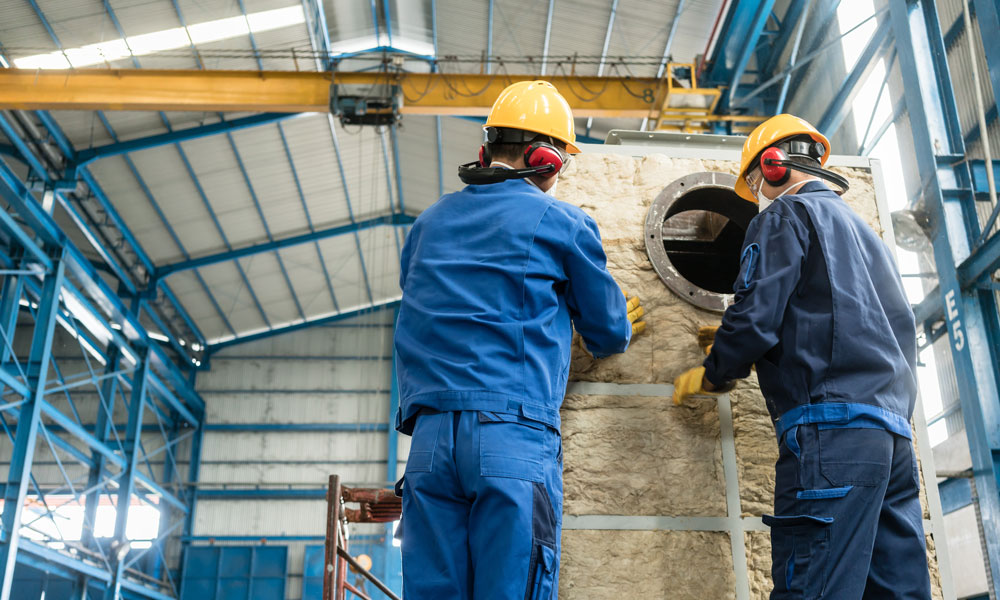
Industrial insulation controls heat. When heat is controlled, systems operate closer to how they were designed. When it isn’t, energy gets wasted and equipment starts to take on more stress than it should.
In facilities that run high-temperature processes – refineries, manufacturing plants, power generation – this is not a small detail. It affects fuel usage, maintenance cycles, and how often systems need to be taken offline.
Where Energy Loss Happens in Real Systems
Energy loss is not limited to one part of a facility. It shows up across the system.
- Long runs of piping carrying steam or process fluids
- Tanks storing heated materials
- Boilers and heat exchangers
- Valves, flanges, and connection points
Any surface that is not properly insulated allows heat to escape. That loss continues as long as the system is running.
In continuous operations, even a small amount of heat loss becomes significant over time. The system has to compensate, which means more fuel and more energy input.
What That Energy Loss Actually Costs
Energy loss is often treated as a background issue because it doesn’t cause immediate failure. But it shows up in operating costs.
- Increased fuel consumption to maintain temperature
- Higher utility bills across the facility
- Reduced efficiency of heating systems
For example, exposed or poorly insulated steam lines can lose measurable amounts of heat over distance. That forces boilers to work harder to maintain output.
Multiply that across an entire system running 24 hours a day, and the cost becomes consistent, not occasional.
How Insulation Changes That Equation
Industrial insulation reduces the rate at which heat escapes. It keeps energy inside the system where it can be used.
That leads to:
- Lower fuel demand
- More stable system temperatures
- Reduced strain on heating equipment
- Predictable operating conditions
This is where insulation starts to pay for itself. The savings are not theoretical. They show up in reduced energy usage over time.
The Connection Between Insulation and Downtime
Energy cost is one side of the issue. Downtime is the other.
When insulation is missing or failing, systems do not operate within stable temperature ranges. That creates stress on components.
- Equipment cycles more frequently
- Temperature fluctuations affect performance
- Moisture forms in areas where it shouldn’t
- Corrosion begins to develop under insulation or on exposed surfaces
These conditions increase the likelihood of failure. And when equipment fails, systems shut down.
Unplanned downtime affects production schedules, labor, and revenue. It’s one of the most expensive outcomes a facility can face.
How Insulation Helps Prevent Equipment Failure
Industrial systems are built to operate within defined temperature ranges. When those ranges are maintained, components last longer.
Insulation supports that by:
- Reducing thermal expansion and contraction
- Preventing overheating of nearby equipment
- Limiting condensation that leads to corrosion
- Keeping system performance consistent
Without insulation, temperature swings become more common. That leads to wear, fatigue, and eventually failure.
Areas Where Insulation Is Often Missed
Not all energy loss comes from large, obvious surfaces. Some of the biggest issues come from smaller areas that are overlooked.
- Valves and fittings
- Removable insulation sections that are not replaced correctly
- Gaps between insulation materials
- Older insulation that has degraded over time
These areas may seem minor, but they add up across a system. Addressing them can have a noticeable impact on performance and cost.
Why Insulation Problems Build Over Time
Insulation issues rarely cause immediate shutdowns. That’s why they’re often ignored.
Instead, they build gradually:
- Energy costs increase month over month
- Equipment requires more frequent maintenance
- Performance becomes less predictable
- Small issues turn into larger repairs
By the time insulation becomes a priority, the facility has already absorbed ongoing losses.
Signs Insulation Is Affecting Your Operation
There are indicators that insulation is no longer performing the way it should.
- Rising energy bills without increased output
- Hot spots along piping or equipment
- Moisture or condensation forming on surfaces
- Visible damage or missing insulation
- Inconsistent system temperatures
These signs point to inefficiencies that can be corrected before they lead to larger issues.
Why Installation Quality Determines Long-Term Results
Material selection matters, but installation quality is what determines how well insulation performs over time.
Common installation problems include:
- Gaps between sections
- Compression that reduces effectiveness
- Improper fastening that leads to shifting
- Incorrect material used for the environment
Even high-quality materials fail if they are not installed correctly. Proper installation ensures consistent coverage and long-term performance.
The Benefits of Working with an Experienced Industrial Insulation Contractor
Industrial insulation projects require more than just applying materials. They require an understanding of how systems operate and where inefficiencies are likely to occur.
An experienced contractor evaluates the full system, not just the visible surfaces. They identify areas where heat loss is happening, recommend materials based on operating conditions, and install insulation in a way that holds up over time.
General Insulation, Inc. works in environments where temperature control directly impacts performance and cost. Their team approaches insulation as part of the system, not an isolated task. That means focusing on long-term results – reducing energy waste, limiting maintenance issues, and helping facilities avoid the cycle of repeated repairs that come from incomplete solutions.
Why Insulation Should Be Addressed Before It Becomes Urgent
Many facilities delay insulation upgrades because systems are still running. There’s no immediate failure, so it doesn’t feel urgent.
But the cost is already there:
- Ongoing energy loss
- Increased wear on equipment
- Higher likelihood of downtime
Addressing insulation early reduces these issues before they expand. Waiting usually increases the total cost.
Learn More About How Insulation Impacts Energy and Downtime
For a direct explanation of how industrial insulation reduces energy costs and helps prevent downtime, this resource breaks it down clearly: How Industrial Insulation Helps Reduce Energy Costs and Downtime
Final Thought
Industrial insulation affects how efficiently a facility operates and how often systems need to be repaired or shut down.
When insulation is in place and performing correctly, energy use stays controlled and equipment runs within expected limits. When it’s not, the impact spreads across cost, maintenance, and reliability.
It’s not just about saving energy. It’s about keeping operations stable.