









Controversial FDA vaccine regulator resigns
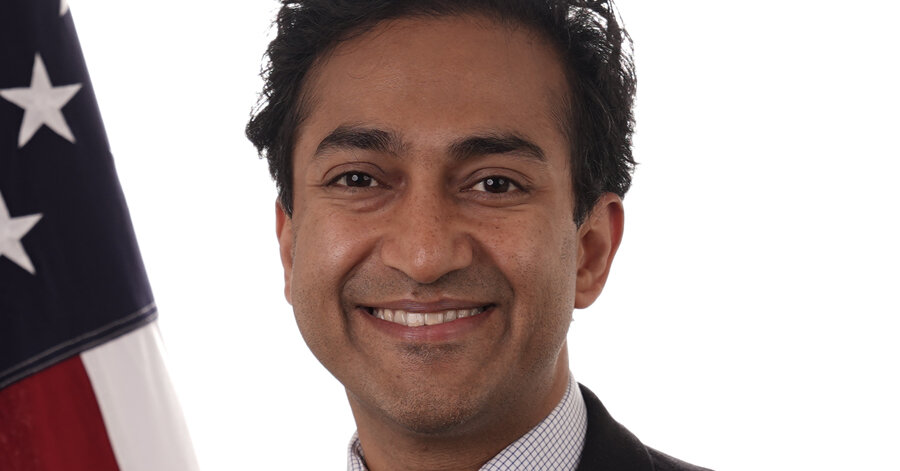
According to a spokesperson for Health and Human Services, Dr. Vinay Prasad, a polarizing figure at the Food and Drug Administration who oversaw vaccines, left the agency in late April.
As the agency’s chief scientific and medical officer, Dr. Prasad has broad authority over vaccines, medicines and gene therapies. He made several controversial decisions, including removing working scientists from some vaccine approvals and cracking down on a biotech company linked to the deaths of two teenagers.
In one of the most publicized moves, Dr. Prasad decided to accept Moderna’s application for a new mRNA flu vaccine, prompting uproar from companies and some experts who complained that he too often pushed back targets for studies that had been approved by the agency. Within a few days, Dr. Marty Makary, the agency’s commissioner, reversed the decision after the company agreed to conduct another study.
And in recent months he had made a series of rejections for rare disease treatments, increasingly angering patients who had few options and biotech companies investing in developing cures.
Many of these decisions were made without warning. He shied away from public meetings of advisory committees on the drugs under investigation and rejected calls for more transparency. Dr. Prasad has criticized these forums and said that the pharmaceutical industry has manipulated public opinion.
During his short tenure at the FDA, Dr. Prasad was a professional scientist with political agendas that sometimes involved threats against employees who might leak information. He publicly called on agency employees who disagreed with him to resign.
He was fired last summer after right-wing influencer Laura Loomer led an attack against him by citing positive comments he had made about Democrats in the past. At the urging of Dr. Makary and Secretary of Health Robert F. Kennedy Jr., he was soon brought back.
The Wall Street Journal first reported his planned departure on Friday. Dr. Prasad declined to comment.
In an email to FDA employees on Friday, Dr. Makary Dr. Prasad for his efforts to identify promising drugs for rapid review and enable drug approvals after companies conduct one large trial instead of two.
He also praised Dr. Prasad’s work on a new Covid vaccine framework that recommends giving the jab only to people aged 65 and over or those with an underlying medical condition.
“These reforms represented a tremendous amount of work accomplished in a remarkably short period of time,” wrote Dr. Makary. “These are substantial, lasting changes that will shape the agency’s approach for years to come and will stand as part of Vinay’s enduring legacy here.”
Leaders in the biotech and investment community had long urged the White House to oust him.
However, Diana Zuckerman, a close FDA observer and president of the nonprofit National Center for Health Research, said Dr. Prasad’s decision to leave was a loss for independent researchers who “had hoped he would help strengthen the FDA’s public health mission.”
“FDA’s ‘flexible’ standards for approving products that have not been proven effective result in an unsustainable health care system,” she said, pointing to the cost of failed therapies to Medicare and patients.
Before joining the agency, Dr. Prasad academic at the University of California, San Francisco. He was known for criticizing the FDA, saying its drug review officials were too lenient in granting approvals.
He has also been described as anti-Covid after complaining on podcasts and on his YouTube channel about public health measures that he said were inadequately based on medical evidence.
In an article in the New England Journal of Medicine, he and Dr. Dr. Prasad later claimed in a memo to staff that a small number of children had died after receiving the Covid vaccine, but no further report was released due to internal disagreements over the cases.
After a second teenager died last summer from liver complications as part of treatment for Duchenne muscular dystrophy, Dr. Prasad called on the manufacturer Sarepta to stop selling the drug. The company fought back and the agency decided to withhold the drug from older children who were more likely to be harmed by it.
The episode was soon followed by social media posts from Ms. Loomer detailing previous statements made by Dr. Prasad was quoted endorsing Senator Bernie Sanders, the independent from Vermont, and lambasting President Trump.
The Department of Health held a background briefing on Thursday about the latest controversial decision against treating Huntington’s disease.
A senior administration official identifying himself as an oncologist at the University of California, San Francisco, defended his decision to reject a request to review UniQure’s drug, which had reported success in a small trial of Huntington’s disease patients.
The official, who spoke on condition that his name not be used, called it a “failed therapy” and detailed discussions between the company and the FDA, which the company later denied.
The official said he misses his clinic, his teaching and his ability to speak freely. Dr. Prasad is an oncologist on leave from UCSF
On Friday, Rep. Jake Auchincloss, a Massachusetts Democrat, said on social media that Dr. Prasad was the official and that he disclosed trade secrets about UniQure’s treatment without legal authorization. A Health and Human Services official said everything discussed in the call was disclosed by the company and that it was reasonable for the agency to look into the matter.
In a social media post on Friday evening, Dr. Makary that Dr. Prasad would resume work in California and that a successor would be announced before his departure.