








Older Americans are abandoning weight-loss medications in droves
Year after year, Mary Bucklew discussed with a nurse how to lose weight. “We tried to exercise,” walking for about 35 minutes a day, she recalled. “And 39,000 different diets.”
But five pounds would come off and then inevitably reappear, said Ms. Bucklew, 75, a retired public transit worker in Ocean View, Delaware. Nothing seemed to make much of a difference – until her body mass index was slightly over 40 in 2023, the threshold for severe obesity.
“I want you to try this new medication if your insurance will cover it,” the nurse advised. She talked about Ozempic.
Medicare covered the cost of treating type 2 diabetes but not weight loss, and the cost was more than $1,000 per month out of pocket. But to Ms. Bucklew’s surprise, even though she didn’t have diabetes, her Medicare Advantage plan covered the cost and only charged a $25 monthly copay.
Pizza, pasta and red wine were suddenly unappealing. The drug “changed what I wanted to eat,” she said. As she lost 25 pounds over six months, she felt less tired and noticed she was walking and biking more.
Then her Medicare plan told her the drug was no longer covered. Calls and letters from her healthcare team arguing that Ozempic was necessary for her health had no effect.
After being denied insurance coverage, Ms. Bucklew became part of a disturbingly large group: older adults who start taking GLP-1 and related drugs — highly effective for diabetes, obesity and several other serious health problems — and then stop taking them within months.
That usually means weight gain and loss of associated health benefits, including reductions in blood pressure, cholesterol and A1c, a measure of blood sugar levels, over time.
Widely portrayed as miracle cures, semaglutide (Ozempic, Wegovy, Rybelsus), tirzepatide (Zepbound, Mounjaro) and related drugs have transformed the treatment of diabetes and obesity.
The FDA has approved several GLP-1s for other uses, including treating kidney disease and sleep apnea and preventing heart attacks and strokes.
“They are studied for every possible purpose,” said Dr. Timothy Anderson, a health researcher at the University of Pittsburgh and author of a recent JAMA Internal Medicine editorial on obesity drugs.
(However, disappointing drug trials have found no effect on dementia.)
People over 65 are the main target group for such drugs. “The prevalence of obesity in older adults is about 40 percent,” as measured by body mass index, said Dr. John Batsis, a geriatrician and obesity specialist at the University of North Carolina School of Medicine.
The proportion of people with type 2 diabetes also increases with age to almost 30 percent of people over 65. But a recent study from JAMA Cardiology found that about 60 percent of Americans over 65 with diabetes stopped semaglutide within a year.
Another study of 125,474 people who were overweight or obese found that nearly 47 percent of people with type 2 diabetes and nearly 65 percent of people without diabetes stopped taking GLP-1 within a year – a high rate, Dr. Ezekiel Emanuel, a health researcher at the University of Pennsylvania and senior author of the study.
Patients over 65 were 20 to 30 percent more likely to stop taking the medications than those younger than them and were less likely to return to them.
What explains this pattern? Gastrointestinal problems can occur in up to 20 percent of patients. “Nausea, sometimes vomiting, bloating, diarrhea,” said Dr. Anderson and listed the most common side effects.
Linda Burghardt, a researcher in Great Neck, N.Y., started taking Wegovy because her doctor believed it might relieve arthritis pain in her knees and hips. “It was an experiment,” said Ms. Burghardt, 79, who couldn’t walk far and had stopped playing pickleball.
Within a month, she suffered several bouts of stomach distress that “lasted for hours,” she said. “I cried on the bathroom floor.” She stopped taking the medication.
Some patients find that drug-induced weight loss decreases rather than improves fitness because another side effect is muscle loss. Several studies have reported that 35 to 45 percent of GLP-1 weight loss comes not from fat but from “lean mass,” including muscle and bone.
Bill Colbert’s beloved hobby, reenacting medieval battles, for 50 years has involved “putting on 90 pounds of steel plate armor and fighting with broadswords.” A retired computer systems analyst in Churchill, Pennsylvania, he started using Mounjaro, successfully lowering his blood sugar and losing 18 pounds in two months.
But “you could almost see the muscles melting,” he recalled. Since he felt too weak to fight well at the age of 78, he also stopped taking the medication and is now dependent on other diabetes medications.
“During the aging process, we begin to lose muscle,” typically one-half to one percent of muscle weight per year, said Dr. Zhenqi Liu, an endocrinologist at the University of Virginia who studies the effects of weight loss drugs. “For people taking these medications, the process is much quicker.”
Loss of muscle can lead to frailty, falls and broken bones. Therefore, doctors advise GLP-1 users to exercise, including strength training, and consume enough protein.
The high termination rate of GLP-1 could also be due to bottlenecks. From 2022 to 2024, these drugs were temporarily difficult to find. Additionally, patients may not understand that even if they have reached their blood sugar or weight goals, they will most likely need the medication indefinitely.
Resuming treatment carries its own risks, Dr. Batsis. “As weight goes up and down, up and down, it prepares the person metabolically for later functional decline.”
When it comes to why patients stop treatment, “of course a lot of it is about money,” Dr. Emmanuel. “Expensive medications that insurers don’t necessarily cover.” In fact, in a Cleveland Clinic study of patients who stopped semaglutide or tirzepatide, nearly half cited cost or insurance issues as the reason.
There has already been a certain reduction in prices. The Biden administration has capped out-of-pocket payments for all prescriptions a Medicare beneficiary receives ($2,100 is the cap for 2026) and authorized annual price negotiations with manufacturers.
Discounts include Ozempic, Wegovy and Rybelsus, but not until 2027. Medicare Part D drug plans then pay $274, and since most beneficiaries pay 25 percent of coinsurance, their monthly out-of-pocket costs drop to $68.50.
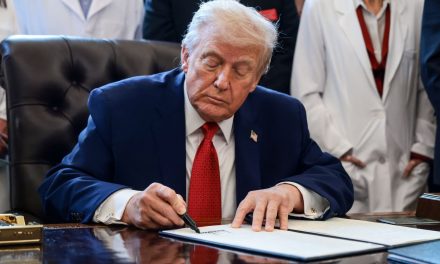
Perhaps even lower if the deals announced last month between the Trump administration and drugmakers Eli Lilly and Novo Nordisk come to fruition.
The bigger question is whether Medicare will change its original 2003 rules prohibiting Part D coverage for weight-loss drugs. “An archaic policy,” said Stacie Dusetzina, a health policy researcher at Vanderbilt University School of Medicine.
The Trump administration’s announcement in November would potentially expand Medicare eligibility for GLP-1 and related drugs to treat obesity as early as this spring. However, important details remain unclear, said Dr. Dusetzina.
Medicare should cover obesity medications, many doctors argue. Americans still tend to think that “diabetes is a disease and obesity is a personal problem,” Dr. Emmanuel. “Wrong. Obesity is a disease that shortens life expectancy and affects health.”
But given the costs to insurers, Dr. Dusetzina: “If you expand the indications and the scope of coverage, the premiums will increase.”
Questions about GLP-1 remain unanswered for older patients, who are often underrepresented in clinical trials. Could a lower maintenance dose stabilize her weight? Can doses be distributed? Could nutritional advice and physiotherapy compensate for muscle loss?
Ms Bucklew, whose reporting was rejected, would still like to restart Ozempic. But due to a recent sleep apnea diagnosis, she is now eligible for Zepbound with a $50 monthly copay.
She has not noticed any weight loss after three months. But as the dosage increased, she said, “I’m going to stay the course and give it a try.”
The New Old Age is produced in collaboration with KFF Health News.