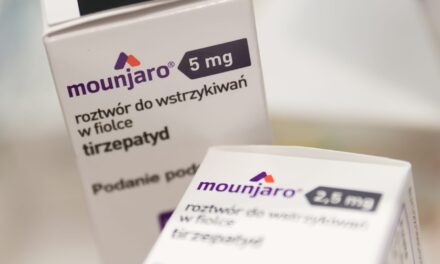






Eli Lilly’s new drug, retatruide, led to significant weight loss in the study

People with obesity and arthritis who took an experimental anti-obesity drug from Eli Lilly lost more weight than any other drug currently on the market and reported relief from their arthritis symptoms, the company announced Thursday.
The drug retatrutide is a next-generation obesity and diabetes drug from Eli Lilly, which already sells Mounjaro for diabetes and Zepbound for weight loss. Those drugs catapulted Lilly into the first medical company to reach a trillion-dollar valuation in November.
Arthritis experts said they were impressed by retatruide’s effect on knee pain, especially given the participants’ significant weight loss.
Dr. MaCalus Hogan, chair of orthopedic surgery at the University of Pittsburgh Medical Center, said the results are “a major advance in weight loss and orthopedic pain relief.”
“A great result,” said Dr. David Felson, a rheumatologist at Boston University Medical Center. But he added that most patients with osteoarthritis were lower weight than those in the study.
“We need data on whether these medications provide the same impressive knee pain relief in the majority of knee osteoarthritis patients who are not as obese,” said Dr. Felson.
Eli Lilly’s share price rose about 1.5 percent during the day.
The clinical trial that produced the result lasted 68 weeks and included 445 people with obesity and knee arthritis. They were randomly assigned to inject one of two doses of retatruide – nine milligrams or 12 milligrams once a week or a placebo.
Participants who took the 12-milligram dose of retatrutide lost an average of 28.7 percent of their body weight, or 71.2 pounds. That’s more than the average achieved with Zepbound, resulting in an average weight loss of 21 percent. There was also greater weight loss than usual with Novo Nordisk’s Wegovy, averaging 15 percent.
Eli Lilly added that 23.7 percent of participants who took the 12-milligram dose lost at least 35 percent of their original weight.
Participants reported their knee pain on a standard scale, the WOMAC, which ranges from 0 to 10, with 10 being the worst. Those who took the highest dose of retatrutide reported a pain reduction of 4.4 points, a pain reduction of 74.3 percent, while those who took the placebo reported a pain reduction of 2.4 points, a 40.3 percent reduction.
WOMAC physical function scores, which measure pain, stiffness and difficulty in movement, fell by 4.2 points in participants who took 12 milligrams of retatrutide, a reduction of 73.7 percent. Those who took the placebo reported a reduction of 2.1 points, a reduction of 35.6 percent.
An Eli Lilly spokeswoman said the study was not designed to answer the question of whether the relief of pain and arthritis symptoms was greater than would be expected from weight loss alone.
The most common side effects were like Zepbound and Wegovy – nausea, diarrhea, constipation and vomiting, which lessened over time.
Another side effect was dysesthesia, a painful feeling when the skin is touched. Twenty percent of those taking the highest dose and 8.8 percent of those taking the lower dose experienced this. But Eli Lilly said the events were “mostly mild and rarely resulted in discontinuation” of treatment.
Overall, 12.1 percent of those who took the highest dose stopped taking the drug due to adverse events — including “perceived excessive weight loss,” the company said. Of those who took the placebo, 4.8 percent dropped out of the study due to adverse events.
Retatrutide is a kind of souped-up GLP-1, a class of drugs that has revolutionized the treatment of diabetes, obesity and other diseases.
The Lilly drug affects the levels of three hormones involved in the regulation of appetite, energy balance and metabolism. These are GLP-1, the hormone influenced by Wegovy and Zepbound; GIP, affected by Lilly’s Zepbound; and glucagon, a hormone that neither Wegovy nor Zepbound targets. Glucagon is released by the pancreas and increases blood sugar levels. It’s not clear to researchers why targeting these three hormones had a greater effect than previous drugs that only affected one or two.
Eli Lilly’s arthritis study announcement was a summary of results required of companies when they receive new data that may impact their stock price.
The company said the full results would be presented at a medical meeting and published in a peer-reviewed journal at a later date.
The company will not set a price for retatruide until it receives approval from the Food and Drug Administration to market the drug. An Eli Lilly spokeswoman said it would seek approval after completing seven additional studies of the drug in people with obesity and diabetes. Completion is expected next year.