







France investigates Nestle and Danine over toxins in baby food: What you should know
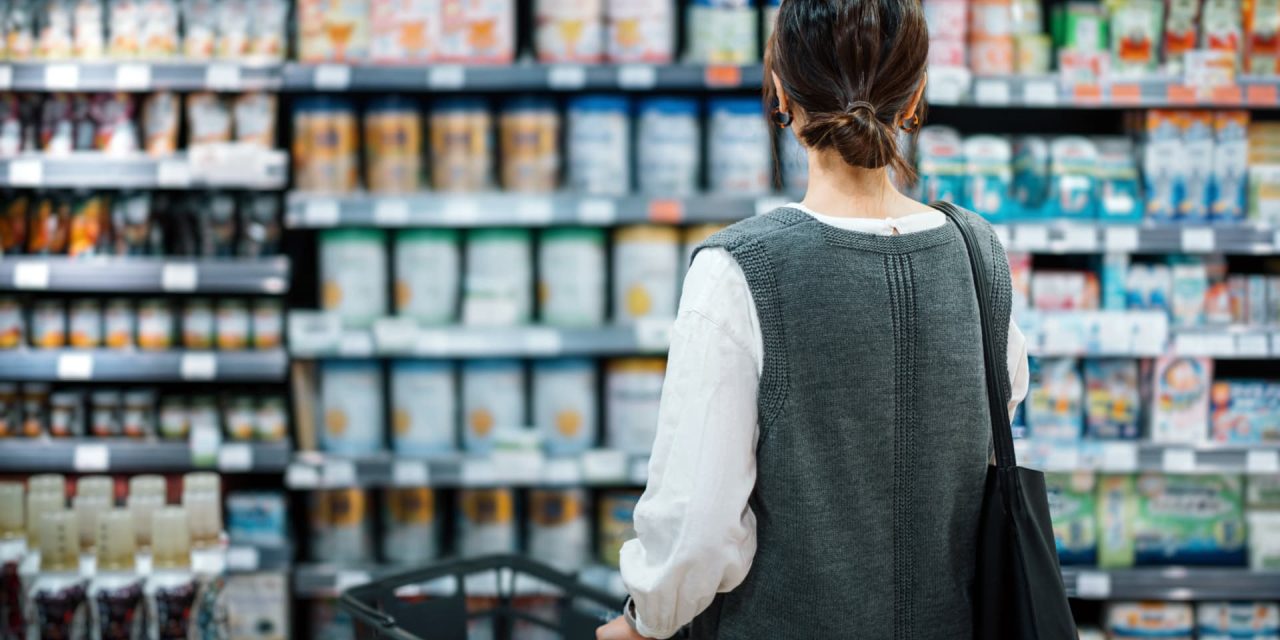
The crisis surrounding contaminated baby food has gradually worsened in recent weeks with product recalls. On Friday, the Paris prosecutor’s office said it had opened an investigation into five companies that produce the formula. Parents and investors are nervous.
The investigation involves potentially contaminated infant formula products sold by three of the world’s largest dairy companies. Nestle, Danoneand the privately held Lactalis, as well as smaller brands Babybio and La Marque en Moins.
The reason for the recall was possible contamination with cereulide, a heat-stable toxin that can cause nausea, vomiting and diarrhea if consumed. While symptoms usually resolve within a day, more serious complications can occur.
Paris prosecutors said they had opened their investigation into “deception regarding goods that pose a threat to human health,” a crime punishable by up to seven years in prison and a fine of up to 3.75 million euros ($4.45 million), a translated statement said. CNBC has reached out to the companies mentioned for comment.
In January, Nestle CEO Philipp Navratil said he regretted the worry and disruption this had caused to parents and customers. “I can assure you that your safety and well-being is our top priority,” he said.
The public prosecutor’s office took over the procedure due to the large number of complaints across the country, it said.
In addition, the French Ministry of Health is investigating three reported infant deaths in cases involving consumption of recalled infant formula. On February 11, it said that no causal connection had been established and that a judicial investigation was underway.
Worldwide recalls
Nestle released a “sequence of events” on Jan. 29 that said the company found traces of cereulide in batches of some of its finished products at its factory in the Netherlands in early December.
On Dec. 10, the company informed Dutch authorities, the European Commission and potentially affected countries of potential risks, according to the company’s schedule, adding that recalls of all batches produced were initiated the same day: 25 products in 16 countries in Europe.
Sod Tatong | moment | Getty Images
In January, the Swiss company published its first major public recall for the SMA, Beba and Little Steps brands across Europe. This was followed by recalls from French competitors Danone, manufacturer of the bestsellers Aptamil and Cow & Gate as well as Lactalis.
So far there have been recalls in over 60 countries.
The source of contamination was traced to a supplier of arachidonic acid oil (ARA), which is often added to baby formula, Nestle said.
The consequences have increased over time as many different companies and several brands used this supplier. The supplier was not officially named. Britain’s Food Standards Agency said the supplier of ARA oil was no longer used by Nestle or Danone
Parents and caregivers were further urged to check whether the infant formula they have at home was among the batches listed in the recalls.
On February 2, the European Food Safety Authority set a limit for the toxin cereulide. Because of its rarity, there had previously been no harmonized standard, said Barclays analyst Warren Ackerman.
Earlier this month, British authorities said they had received at least 36 clinical reports of infants showing symptoms suggestive of cereulide poisoning.
Nestlé and Danone report earnings this week
Nestle’s infant formula accounts for about 5% of sales, and the company has disclosed that the recalled products account for only about 0.5% of sales. “Given likely consumer confusion and brand equity risk, the larger 5% figure is likely more relevant,” Bernstein analyst Callum Elliott said in January.
“For Danone, infant formula is more important, accounting for around 21% of group sales according to our estimates, and even more in terms of profitability.”
Both Nestle and Danone are expected to report results later this week, with investors hoping to get a better picture of the financial impact of the recalls.
Stock chart iconStock chart icon
Shares in Nestle and Danone have lagged the European benchmark index since the start of the year as the two companies’ baby food products were recalled.
As investors worry about the financial fallout and possible reputational damage, Nestle shares have risen 1.7% since the start of the year, while Danone shares have lost 5.5%. The pan-European Stoxx 600 The index is up 4.6% over the same period.
Shares of Nestle and Danone plunged in late January at the height of the recall announcements, but have since recovered some of their losses.
—CNBC’s Charlotte Reed contributed to this report