










Study shows prescription of GLP-1 drugs has increased sharply after birth
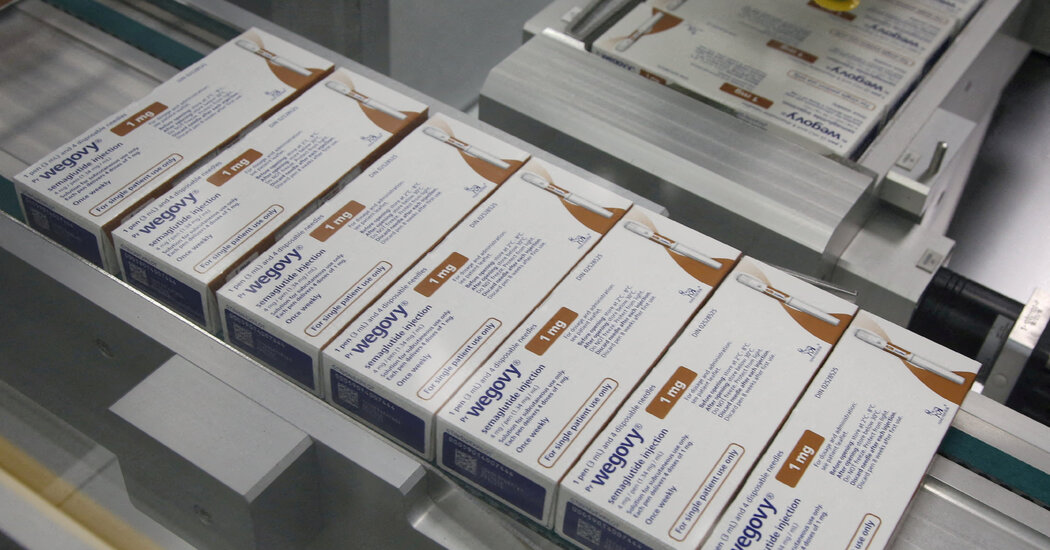
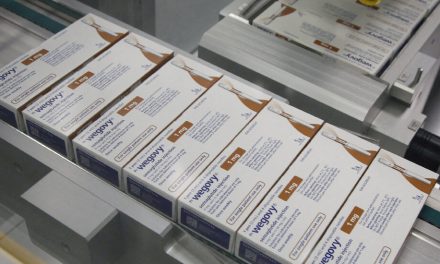
Danish researchers examined medication use during and after pregnancy and found a clear trend: the number of women taking weight-loss medications such as Ozempic and Wegovy shortly after giving birth had increased sharply.
In 2018, few women took the medication in the first six months after having a child; There were fewer than five recipes for every 10,000 new mothers. By mid-2022, that number had increased to 34 prescriptions per 10,000 new mothers, and by mid-2024 it had jumped to 173 prescriptions per 10,000, or nearly 2 percent of postpartum mothers. Most women were over 30 years old and two thirds had more than one child. The majority were overweight, but they did not have diabetes and had no history of taking the medication known as GLP-1, the researchers wrote.
“In a period characterized by natural weight loss and significant hormonal changes, this was unexpected,” said Mette Bliddal, a pharmacologist and researcher at the University of Southern Denmark in Odense, Denmark, and lead author of the study.
The new study was published online Monday in JAMA Network Open.
The analysis examined GLP-1 drug use after 382,277 pregnancies in Denmark from early 2018 to June 2024. Researchers linked the Danish medical birth register with the country’s national prescription register, allowing the identification of every live birth and every postpartum prescription of a GLP-1 drug.
Although semaglutide, the active ingredient in Wegovy and Ozempic, helps with weight loss, little is known about the drug’s effects after childbirth, when new mothers experience hormonal changes.
There is limited evidence of the drug’s safety for breast-feeding infants: semaglutide has not been detected in breast milk in measurable amounts and no adverse effects have been observed in breast-fed infants of mothers who took it. However, very few studies have been conducted and the long-term effects on a baby’s developing metabolism, pancreas, and growth are unknown.
The American College of Obstetricians and Gynecologists has not issued guidelines on the use of drugs for postpartum weight loss because the drugs are so new and the data is insufficient. But First Exposure, a digital information center and research network at the University of Toronto that provides evidence-based information about drug safety during pregnancy, recommends patients avoid taking the drugs while breastfeeding. (First Exposure also recommends not taking the medication during pregnancy and stopping it a month or two before a planned pregnancy.)
Although GLP-1 is unlikely to pass into breast milk at high levels and is most likely broken down in the child’s stomach, the organization recommended caution in a 2024 practice article published in the Canadian Medical Association Journal.
“They tend to be large molecules, and we know that large molecules do not pass efficiently into breast milk,” said Dr. Jonathan S. Zipursky, clinical pharmacologist and toxicologist at the University of Toronto and medical advisor for First Exposure, in an interview.
Still, he said, “I believe they should not be used out of caution when breastfeeding. Not because we know there is a safety signal or evidence of harm, but just because we have such poor data, we suggest avoiding them.”
Another concern is that the medications that suppress appetite could affect the production or nutritional quality of breast milk or cause the mother to become dehydrated.
In the postpartum period, “the body works hard to regain balance,” said Dr. Bliddal. “We simply don’t know how weight loss drugs interact with these processes or whether they might affect normal physiological recovery.”
There is also no data on how the drug might affect the composition of breast milk, she said. “Even small changes in fat or nutrient levels could be important for the infant’s development,” she said.