










America’s broken health care system is an opportunity, says Cityblock CEO
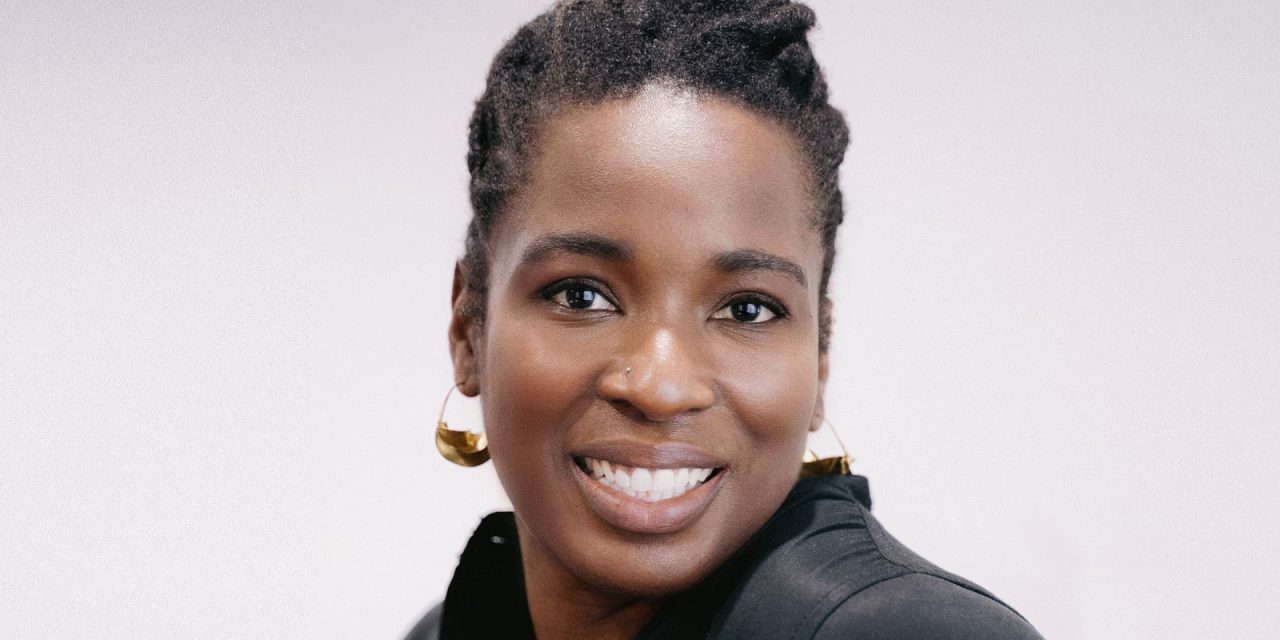
For the first time in decades, people are having real conversations about health care, “from the ground up,” says Dr. Toyin Ajayi. That makes her optimistic.
“We are in a moment where health and healthcare – and what it means to be healthy – is the subject of a national conversation,” Cityblock Health co-founder and CEO told CNBC Senior Media & Tech Correspondent Julia Boorstin on the latest episode of the CNBC Changemakers and Power Players podcast.
“I’ve never seen that before,” Ajayi said.
Given cuts to federal funding for scientific research, the introduction of polarizing policies under President Trump’s Health and Human Services Secretary Robert F. Kennedy Jr., and a heated political debate over how the U.S. funds health care that triggered the longest U.S. government shutdown on record, this kind of optimism might seem counterintuitive.
But Ajayi says the interest and attention the U.S. health care system is now receiving is exactly what’s needed to drive change. “Health care is prohibitively unaffordable in the United States,” Ajayi said.
“All the spending we do doesn’t make us healthier. We as a country spend more per capita on health care than any other developed country, and we have some of the worst health outcomes. “Everyone’s kind of mad about it,” she said.
Ajayi was named to the 2025 CNBC Changemakers list.
The “Make America Healthy Again” movement is an example of a current public discussion that Ajayi sees as positive, “whether I agree with certain people’s positions or not,” she said.
“There are people who identify as part of a health movement. That’s incredible,” she said. “Who can I choose who is more likely to help me live a healthy life and help my children live a healthy life? … For the first time, certainly in several decades, people are having real conversations about what health means, not in the halls of Congress, not in statehouses, but actually on the ground,” she said.
Cityblock provides healthcare services to individuals addressing clinical, behavioral health and social needs, serving patients who receive Medicaid or are concurrently eligible for Medicare and Medicaid. The company, which has more than 100,000 members and partners in more than 10 states, employs community health workers who provide on-site home assessments and coordinate care, while also connecting patients to social services such as food banks and transportation.
With trust in the U.S. health care system “at an all-time low,” Ajayi said the most important thing for Cityblock is to earn and keep patients’ trust.
It’s a message she shares with all her investors, shareholders and teams. “For so long, medicine operated on a hierarchy — it was us and it was them,” said Ajayi, who learned the inner workings of underfunded and underequipped pediatric care units in Sierra Leone and high-tech hospitals in Boston during her medical school training and career as a physician. “We had the white coats and all the data and information, all the years of training, and they were our subject… That’s not working and I think we have a real opportunity in health care and public health to regain trust by actually meeting people where they are,” she said.
This means we go to people’s homes and engage with them on their smartphones or on their social media feeds. “Wherever people are, we have to go there and show up with language that is understandable and understandable to them,” Ajayi said.
She believes in the potential of AI to do just that and help Cityblock make care even more accessible, trustworthy and understandable. The company is investing in AI technology with the goal of ensuring that the benefits extend not just to the wealthy but also to public health insurance patients, “so that in 10 years we can look back and say, you know what? We as a society have developed AI tools that actually improve the world and the lives of people who didn’t have a seat at the table and for whom they otherwise wouldn’t have been created,” she said.
Follow and listen to this and every episode of the CNBC Changemakers and Power Players podcast on Apple and Spotify.
CNBC is accepting nominations for the third part CNBC Changemakers: Women are changing businessList. The unranked list will recognize an outstanding group of women whose achievements have left their mark on the business world and are paving the way forward.