





4 dead in mushroom poisoning outbreak in California
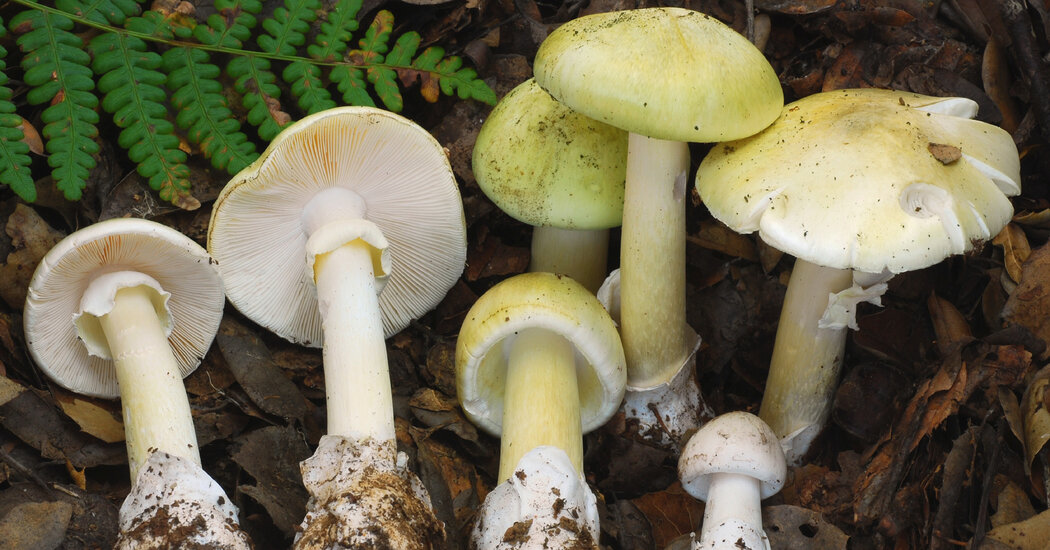
California state health officials are warning people not to pick wild mushrooms as the death toll from a poisoning outbreak has risen to four and more than three dozen people have become ill since November.
According to the state Department of Health, there are typically five or fewer cases of mushroom poisoning each year in California.
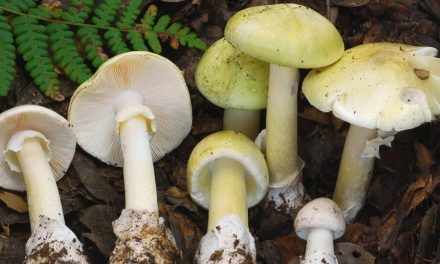
In the most recent outbreak, people between the ages of 19 months and 67 years became ill after eating death cap mushrooms, which can be similar to mushrooms found in grocery stores.
The department said the outbreak has primarily affected people who do not speak English as their first language.
Of those poisoned, 60 percent spoke Spanish as their primary language. The outbreak also affected people who speak English, Mandarin Chinese, Mixteco, Russian and Ukrainian.
The department has issued leaflets in several languages warning of the dangers of mushrooms and is asking people to display them in community spaces such as shops and libraries.
More about organ transplants
-
An improved system: Addressing fairness and safety issues is producing results, including a sharp decline in the number of sick patients being passed over for transplants.
-
Skipped in line: The most serious patients should be given priority for life-saving transplants. But they are being skipped more and more often.
-
Botched organ removals: Potential donors had to endure hasty or premature attempts to remove their organs. Some were panting, crying or showing other signs of life.
-
Care of foreign patients: Despite organ shortages, some U.S. hospitals are seeing international patients paying up to $2 million for a transplant. In recent years, patients from abroad have typically received organs more quickly than patients from the United States.
-
Organ transplants in pigs: The U.S. Food and Drug Administration has given two biotechnology companies the green light for clinical trials that involve transplanting organs from genetically modified pigs into people with kidney failure.
Those accustomed to foraging in their home countries may confuse poisonous mushrooms in California with mushrooms that are safe where they come from, the department said.
Since the outbreak began, officials have discouraged residents from foraging for wild mushrooms.
Bruch Reed, chief operating officer of the North American Mycological Association, a nonprofit organization that represents professional and amateur mushroom experts, said the poisonings were “horrific and insidious.”
He said he wants to support the California Department of Public Health but doesn’t believe the solution to the outbreak is to discourage foraging altogether, especially in a state where safe wild mushrooms are plentiful.
Instead, he said, he would like to see the state expand its efforts to educate people about mushrooms. This is important due to the “mushroom boom” during the pandemic, as more and more people began mushroom hunting.
He noted that the outbreak comes at a time when immigrant communities are threatened and food insecurity is high.
“They look to their home countries for delicious, nutritious, traditional foods that are safe,” he said.
According to the health department, there were 39 cases of poisoning from eating death cap mushrooms between November 18th and January 18th.
According to the department, death caps are among the two most poisonous mushrooms that grow in California during the rainy season. The other is the western destroying angel mushroom.
Death cap mushrooms may resemble safe mushrooms in appearance and taste. Death caps are often found near oak, pine or other hardwood trees.
It can take six to 24 hours for a person who eats one of the mushrooms to show symptoms of poisoning, which can include confusion, nausea and stomach pain.
Even if a person has mild symptoms, a severe reaction could still occur, the health department warned.
Even after the initial symptoms subside, fatal liver damage can occur within two to three days. Other serious complications include kidney damage, seizures, hallucinations and euphoria. At least three liver transplants were required during the recent outbreak.
For safety reasons, people should not eat wild mushrooms, California health officials said. They also advised people not to eat mushrooms collected by friends or family and to be careful when buying mushrooms from street vendors.
Death cap mushrooms are not suitable for consumption through cooking, freezing or drying.
Children should be closely watched when playing near mushrooms and pets should be kept away from wild mushrooms, the department said.
According to a report published by the Centers for Disease Control and Prevention, the California Poison Control System identified 14 cases of death cap poisoning in the last major outbreak in 2016.
Days before the first case was reported in this outbreak, the Bay Area Mycological Society had warned poison control officials that there had been an unusually large bloom of the fungi due to heavy rains and warm weather, the report said.
There were no deaths in this outbreak, but three people received liver transplants and one child had permanent neurological impairment.